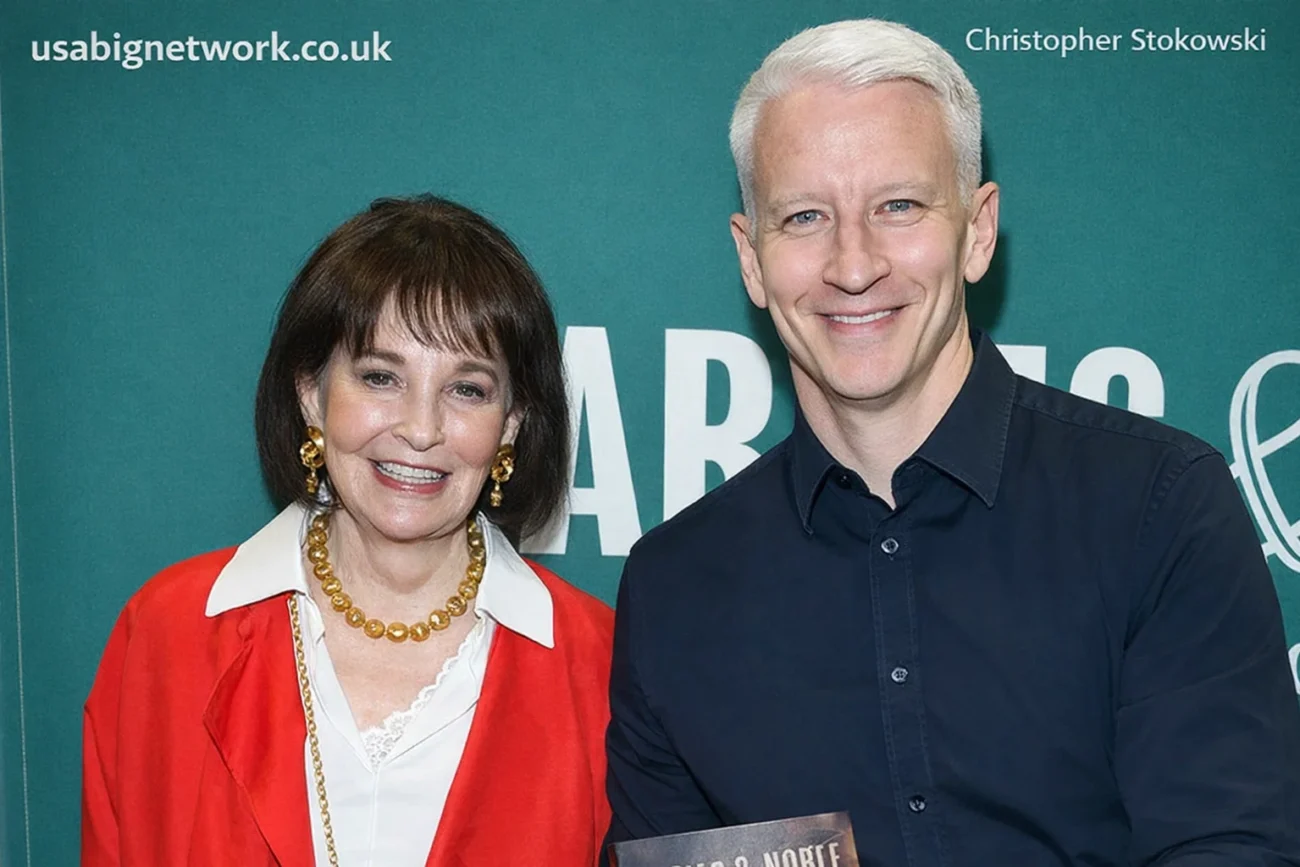
Christopher Stokowski: Background and Family Heritage
Christopher Stokowski was born on January 31, 1952, in New York City into a family deeply rooted in cultural prominence and artistic influence. His mother, Gloria Vanderbilt, was an American heiress, fashion icon, and creative entrepreneur, while his father, Leopold Stokowski, was a world-renowned conductor known for his innovative contributions to classical music. Being born into such a distinguished lineage meant that Christopher was surrounded by creativity, wealth, and public attention from the very beginning.
Despite the advantages associated with his family background, Christopher’s upbringing was also shaped by complexity and emotional challenges. christopher stokowski His parents’ marriage was relatively short-lived, and their separation had a lasting impact on family dynamics. As a result, Christopher’s early life was influenced not only by privilege but also by change, transitions, and evolving relationships within a high-profile household.
Growing up in an environment connected to both music and fashion, Christopher was exposed to artistic disciplines at an early age. However, christopher stokowski unlike many individuals born into famous families, he did not pursue a life in the public eye. Instead, his path would eventually reflect a strong preference for privacy and independence, distinguishing him from his well-known relatives.
Early Life and Childhood Influences
christopher stokowski childhood was marked by exposure to a unique blend of artistic and intellectual environments. His father’s career in orchestral music introduced him to the world of classical compositions, rehearsals, and performances, christopher stokowski while his mother’s involvement in fashion and design brought him into contact with creative and social circles. These dual influences played a subtle but important role in shaping his worldview.
Although Christopher had access to opportunities that many could only imagine, his early life was not without emotional complexity.christopher stokowski christopher stokowski The separation of his parents and the evolving structure of his family contributed to a sense of instability during his formative years. Such experiences often influence personal development, and in Christopher’s case, they may have contributed to his later preference for a more private and controlled lifestyle.
His childhood was also shared with his older brother, Stanislaus Stokowski. The two siblings experienced the same family environment, though their life trajectories would eventually diverge. While both were raised in the same household context, their responses to fame, identity, and family expectations differed significantly over time.
Education and Exposure to the Arts
Although detailed public records of Christopher Stokowski’s formal education remain limited, it is widely understood that his upbringing included exposure to high levels of artistic and cultural education. Being part of a family with strong ties to music and the arts naturally provided him with early insights into creative disciplines, particularly classical music.
His father’s legacy as a conductor likely introduced Christopher to the technical and emotional depth of orchestral performance. Observing rehearsals, christopher stokowski musical interpretations, and the discipline required in classical music may have contributed to his appreciation for artistic expression, even if he chose not to pursue a public career in the field.
Similarly, his mother’s work in fashion and design may have influenced his understanding of aesthetics and creativity from a different perspective. christopher stokowski This combination of musical and visual artistic exposure created a well-rounded cultural foundation, even though Christopher ultimately opted for a life away from mainstream artistic recognition.
Relationship with Gloria Vanderbilt
Christopher Stokowski’s relationship with his mother, Gloria Vanderbilt, was complex and evolved significantly over time. During his early years, their relationship was shaped by the close bond typical of a mother and child, particularly within the context of a prominent family. However, as Christopher grew older, differences in personal values and life choices began to emerge.
At a certain point in his adult life, Christopher became estranged from his mother. This estrangement lasted for many years and became one of the most discussed aspects of his personal history. While the exact reasons for the separation were deeply personal, it is widely understood that emotional, familial, and interpersonal factors all played a role in the distance that developed between them.
In later years, there were indications of reconciliation efforts, particularly as the family reflected on its history through public documentaries and shared narratives. Although Christopher remained largely private, these moments suggested a gradual softening of past tensions and a recognition of shared family bonds, even after years of separation.
Sibling Connections and Family Relationships
Christopher Stokowski is part of a well-known family that includes several siblings with diverse life paths. His full brother, Stanislaus Stokowski, shared his early family environment, while his half-siblings, including Anderson Cooper and the late Carter Vanderbilt Cooper, were raised in different family circumstances following Gloria Vanderbilt’s subsequent relationships.
Among his siblings, Anderson Cooper became particularly prominent as a journalist and television anchor. While Anderson embraced a highly public career, Christopher chose a contrasting path, avoiding media attention and maintaining a private existence. This difference in lifestyle contributed to varying levels of public awareness about Christopher’s life.
Family relationships within the Vanderbilt lineage have been described as both close and complicated, reflecting the emotional dynamics often present in large, high-profile families. Over time, periods of closeness were followed by distance, particularly in Christopher’s case, where personal decisions led him away from the public and, for a time, away from direct family engagement.
Withdrawal from Public Life
One of the most defining aspects of Christopher Stokowski’s life is his decision to step away from public visibility. Unlike many individuals born into prominent families, he did not pursue a career that would place him in the media spotlight. Instead, he chose a quieter, more private existence, largely avoiding interviews, public appearances, and social exposure.
This withdrawal from public life appears to have been a deliberate choice rather than a consequence of circumstance alone. Christopher’s decision reflects a desire for autonomy and personal space, allowing him to live without the constant scrutiny that often accompanies fame. In doing so, he set himself apart from the expectations typically associated with the Vanderbilt name.
Living outside the public eye allowed Christopher to maintain a level of privacy that is increasingly rare among individuals connected to famous families. While his relatives often engaged with media, business, or entertainment industries, Christopher’s path highlights an alternative approach—one centered on personal freedom rather than public recognition.
Personal Interests and Creative Expression
Although Christopher Stokowski did not pursue a widely recognized public career, he is believed to have maintained an interest in creative and artistic expression throughout his life. Influenced by his upbringing, his connection to music and the arts remained an important part of his personal identity.
Reports and accounts suggest that Christopher explored creative work in music, sometimes using pseudonyms to avoid association with his family name. This approach allowed him to engage with artistic pursuits without the influence of external expectations or the advantages of his family background. It reflects a commitment to authenticity and a desire to be evaluated based on personal merit rather than lineage.
His creative interests align with the broader artistic legacy of his family, even though he chose not to publicly align himself with it. By keeping his work private, Christopher maintained control over his personal expression while still honoring the cultural influences that shaped his early life.
Life Away from Fame and Public Attention
Christopher Stokowski’s adult life has been characterized by a consistent preference for privacy and independence. Unlike many members of prominent families who embrace public roles, he opted for a lifestyle that minimized media exposure and public interaction. This choice allowed him to live on his own terms, free from the pressures often associated with celebrity status.
Over the years, Christopher has been associated with living in quiet and secluded environments, including rural settings. These environments provided a contrast to the urban and socially active lifestyle commonly associated with his family background. Such a setting likely contributed to a sense of stability and personal peace, reinforcing his decision to remain outside the public sphere.
His life away from fame underscores an important theme of individuality. While his surname carries historical and cultural significance, Christopher’s personal choices demonstrate that identity is not solely defined by family legacy. Instead, it can be shaped by personal values, priorities, and the desire for a more introspective way of living.
Estrangement and Reconnection with Family
The estrangement between Christopher Stokowski and his family remained a notable aspect of his life for many years. During this period, communication with close relatives was limited, and Christopher maintained distance from family gatherings and public events associated with the Vanderbilt name. This separation was both personal and emotional, reflecting deeper complexities within family relationships.
In later years, there were indications that Christopher began to reconnect with his family, particularly following renewed interest in the Vanderbilt family’s history. These moments of reconnection, while not extensively publicized, suggested a willingness to revisit past relationships and acknowledge shared experiences.
Although Christopher has continued to value his privacy, these developments highlight the evolving nature of family bonds. Relationships that were once distant can, over time, be revisited and redefined, even if they do not return to traditional forms of closeness. In Christopher’s case, reconnection appears to have occurred on a gradual and personal level rather than through public reconciliation.
Legacy and Public Understanding
Christopher Stokowski’s legacy is unique in that it is defined more by absence from the public eye than by visible achievements in media or entertainment. While many members of his family are widely recognized for their contributions to journalism, fashion, and culture, Christopher’s life represents a different kind of legacy—one centered on privacy, independence, and personal choice.
Public understanding of Christopher is often shaped by his association with the Vanderbilt and Stokowski families, as well as by references in discussions about Gloria Vanderbilt’s children. However, beyond these connections, his individual story remains largely personal and intentionally private. This has contributed to a certain level of curiosity, as well as respect for his decision to remain out of the spotlight.
Ultimately, Christopher Stokowski’s life illustrates that legacy can take many forms. While some individuals seek recognition and public influence, others find fulfillment in quiet living and personal autonomy. His story stands as an example of how identity can be defined not only by heritage, but also by the choices one makes in shaping their own path.
Conclusion
Christopher Stokowski’s life presents a compelling example of how personal choice can shape identity, even within a family defined by fame, wealth, and cultural influence. Born into the prestigious Vanderbilt and Stokowski lineage, he had access to extraordinary opportunities and a rich artistic environment, yet he ultimately chose a path centered on privacy rather than public recognition. This decision distinguishes him from many of his relatives and highlights a deliberate effort to live life on his own terms.
His journey reflects themes of independence, individuality, and emotional complexity. From early exposure to music and art to periods of estrangement and later reconnection with family, Christopher’s story is not defined by public achievements but by the quiet strength of maintaining personal boundaries and authenticity. His preference for a life away from the spotlight underscores the idea that fulfillment does not always require visibility or external validation.
In the broader context of the Vanderbilt family legacy, Christopher Stokowski represents a less visible but equally meaningful narrative. His life reminds us that legacy is not only about public accomplishments or media presence but also about the choices individuals make to define their own paths. By prioritizing privacy, creative freedom, and personal peace, Christopher has crafted a life that stands apart—offering a thoughtful perspective on identity, family, and the meaning of success.
