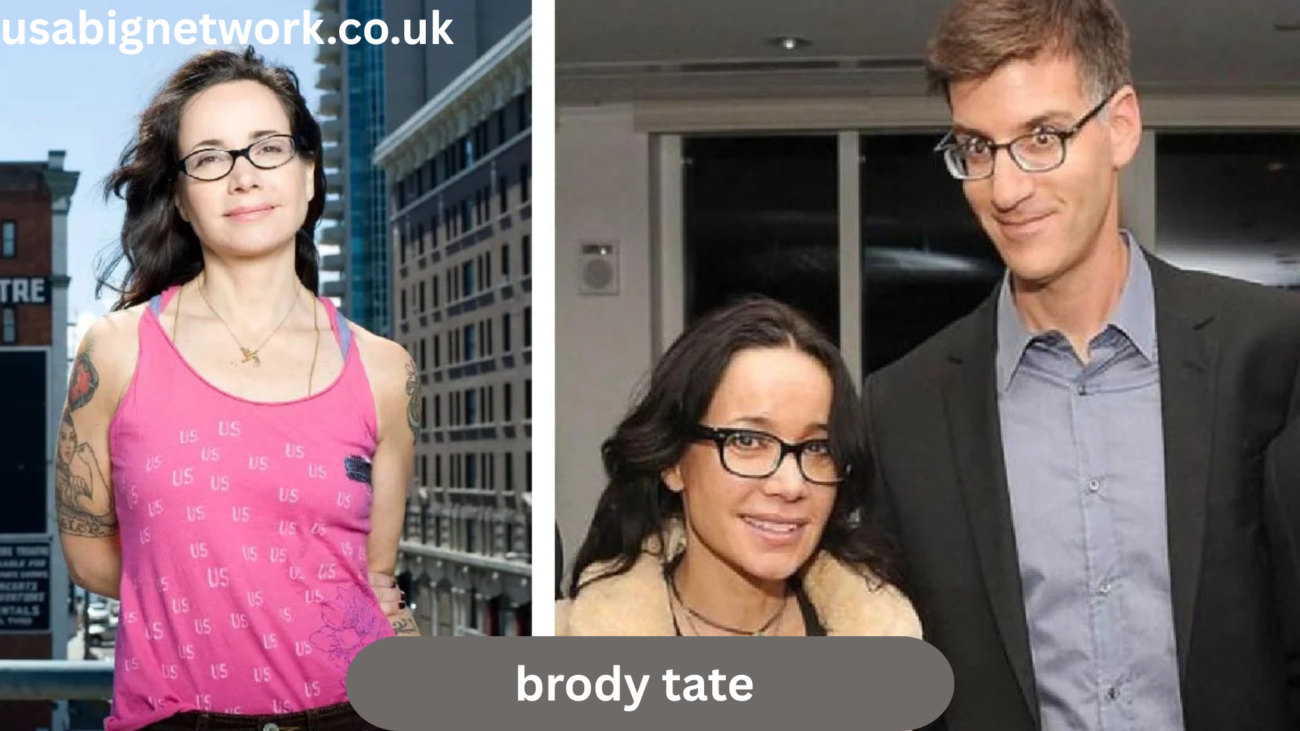
Brody Tate is an American academic professional and educator best known for his work in higher education program management, curriculum development, and online learning initiatives. Although he gained some public recognition due to his marriage to comedian and actress Janeane Garofalo, Tate has built a respected professional reputation within academic circles through years of work supporting university programs and student success. His career reflects a deep commitment to improving educational systems and making learning more accessible through modern teaching methods.
Unlike many individuals connected to public figures, Brody Tate has chosen to maintain a relatively private lifestyle. His professional contributions focus on the academic sector rather than entertainment or media exposure. Because of this, public interest in Tate often centers on understanding his background, career path, and role in modern educational development.
Over the years, Tate has worked with various institutions and organizations in the United States, contributing to program development, student services, and digital education. His work reflects broader trends in higher education, particularly the shift toward online programs, flexible learning opportunities, and inclusive academic environments.
Early Life and Background
Very limited public information exists about Brody Tate’s early life, which reflects his preference for privacy. However, it is known that he grew up in the United States and developed an early interest in communication, learning systems, and academic development. These interests would later influence his decision to pursue a career in education.
From an early age, Tate demonstrated curiosity about how educational institutions function and how they support students from different backgrounds. This curiosity eventually guided him toward studying communication and education at the university level. His academic path helped him develop strong analytical, communication, and leadership skills that later became central to his professional career.
Despite the lack of extensive public records about his upbringing, it is clear that Tate’s early experiences shaped his values surrounding learning and educational accessibility. His later work in curriculum design and program management reflects a long-standing interest in creating educational systems that support diverse student populations.
Education and Academic Development
Brody Tate’s educational journey began with his undergraduate studies at the University of Wyoming, where he earned a Bachelor of Arts degree in Communication. During his time there, he studied communication theory, media studies, and interpersonal communication, gaining skills that would later prove useful in academic administration and program management.
After completing his undergraduate education, Tate pursued further studies in the field of higher education. He continued his academic development at Loyola University Chicago, where he focused on higher education leadership, curriculum development, and educational policy. His graduate studies helped him develop expertise in how universities structure academic programs and support student learning.
Some sources indicate that Tate completed advanced research in education, focusing on topics related to culture, curriculum, and community engagement in academic institutions. His academic work reflects a broader interest in creating inclusive educational systems that recognize diverse cultural perspectives and learning styles.
Early Career in Higher Education
After completing his education, Brody Tate began working in the field of higher education administration. His early career included positions that involved working directly with students, faculty members, and academic departments. These roles allowed him to gain firsthand experience in how universities manage academic programs and support student development.
During this stage of his career, Tate worked as an academic advisor and program coordinator, helping students plan their academic pathways and navigate university systems. His responsibilities often included assisting students with course selection, advising them on graduation requirements, and supporting their academic progress.
These early roles helped Tate develop a practical understanding of the challenges students face during their university education. He became particularly interested in improving program structures and learning environments so that students could achieve their educational goals more effectively. This early experience laid the foundation for his later work in curriculum development and academic program management.
Work in Curriculum Development and Program Design
A major part of Brody Tate’s professional work involves curriculum development and the design of academic programs. Curriculum development requires careful planning and collaboration with faculty members to create courses that provide meaningful learning experiences while meeting institutional standards.
Tate has contributed to projects that focus on experiential learning and portfolio-based education. These approaches encourage students to demonstrate their knowledge through real-world projects, research assignments, and practical applications rather than relying solely on traditional exams.
Through his work with educational organizations and international academic initiatives, Tate has helped design programs that combine classroom learning with cultural and global experiences. These initiatives help students develop broader perspectives and practical skills that are valuable in a globalized workforce.
His contributions in this area highlight the importance of flexible and innovative teaching strategies. By supporting curriculum models that emphasize creativity, collaboration, and real-world experience, Tate has helped promote modern educational practices within higher education.
Role in Online Education and Digital Learning
In recent years, online education has become a major focus within universities around the world. Brody Tate has been actively involved in this transformation through his work with the University of Chicago Data Science Institute. In this role, he supports the administration and management of online graduate programs.
Online learning programs require careful coordination between faculty members, technology teams, and academic administrators. Tate’s responsibilities include ensuring that courses are delivered effectively, that students receive adequate support, and that academic standards remain consistent with traditional classroom programs.
Digital learning platforms have made it possible for students from different countries and professional backgrounds to pursue advanced degrees without relocating. Tate’s work in this area contributes to expanding educational access and helping universities adapt to the evolving needs of modern learners.
By supporting online program development, he plays a role in shaping how universities deliver education in the digital age. His work reflects a broader shift toward flexible learning models that allow students to balance education with professional and personal commitments.
Research Interests and Educational Philosophy
Brody Tate’s professional interests extend beyond administrative work. He has also been involved in research and academic discussions related to educational inclusion, curriculum design, and culturally responsive teaching methods.
One of the areas that aligns with his interests is culturally sustaining pedagogy, a teaching approach that encourages educators to recognize and respect the cultural backgrounds of their students. This approach emphasizes creating classroom environments where diverse perspectives are valued and integrated into the learning process.
Tate’s work also reflects an interest in improving online learning experiences. As more universities adopt digital education models, researchers and administrators like Tate study how course design, technology, and student engagement strategies influence learning outcomes.
His educational philosophy emphasizes collaboration, inclusivity, and adaptability. He believes that effective education should evolve alongside social and technological changes while remaining focused on supporting student success and academic integrity.
Personal Life and Marriage to Janeane Garofalo
Brody Tate’s personal life gained public attention when he married actress and comedian Janeane Garofalo. Garofalo is widely recognized for her work in stand-up comedy, film, and television, and she has built a long career in entertainment and political commentary.
The couple reportedly married in a private ceremony in 2015. Their relationship is known for being relatively low-profile compared to many celebrity marriages. Tate continues to focus on his academic career while Garofalo remains active in entertainment and public discourse.
Despite Garofalo’s public profile, Tate has consistently maintained a private lifestyle. He rarely appears in media interviews or public events related to the entertainment industry. This separation between professional life and celebrity culture allows him to maintain his identity as an educator and academic professional.
Their relationship reflects a balance between two very different professional worlds—higher education and entertainment—while maintaining mutual respect for each other’s careers.
Professional Achievements and Career Impact
Brody Tate’s career may not attract the same level of public attention as celebrities or business executives, but his contributions within academia are meaningful and significant. Through decades of work in student services, curriculum development, and program management, he has helped support thousands of students pursuing higher education.
His experience working with universities and international academic programs has helped institutions improve how they design courses and support learners. Tate’s work also reflects the increasing importance of interdisciplinary education, global learning opportunities, and technology-driven academic programs.
Colleagues often describe him as a thoughtful leader who values collaboration and open communication. His leadership style focuses on teamwork and shared responsibility, encouraging educators and administrators to work together to create better learning environments.
These professional qualities have allowed Tate to build a respected career within higher education, even while maintaining a low public profile.
Legacy and Continuing Influence in Education
Brody Tate’s career represents the important role that academic professionals play in shaping modern education systems. While professors and researchers often receive public recognition, administrators and program managers like Tate work behind the scenes to ensure that educational programs function effectively.
His work in curriculum design, online education management, and student support services contributes to the evolving landscape of higher education. As universities continue to expand digital programs and international collaborations, professionals with Tate’s expertise remain essential to maintaining quality and accessibility.
Beyond his professional accomplishments, Tate’s career highlights the value of dedication and quiet leadership. Rather than seeking public recognition, he has focused on building programs that help students succeed academically and professionally.
In the long term, his influence will likely be reflected in the success of the students and educational initiatives he has helped develop. By supporting inclusive learning environments and modern academic programs, Brody Tate continues to contribute to the future of higher education.
Read More :Izzie Balmer Net Worth: Career, Earnings, and Rise in the Antiques World
Conclusion
Brody Tate may not be a widely recognized public figure, but his contributions to higher education and academic program development have made a meaningful impact within the academic community. Through his work in curriculum design, student support, and digital learning initiatives, he has helped shape modern educational programs that meet the evolving needs of students in a rapidly changing world. His dedication to improving academic systems highlights the important role educators and administrators play behind the scenes in shaping successful learning environments.
In addition to his professional achievements, Tate gained public attention due to his marriage to Janeane Garofalo, yet he has consistently maintained a private and focused lifestyle. Rather than seeking publicity, he has devoted his career to supporting students and academic institutions through thoughtful leadership and innovative educational practices.
