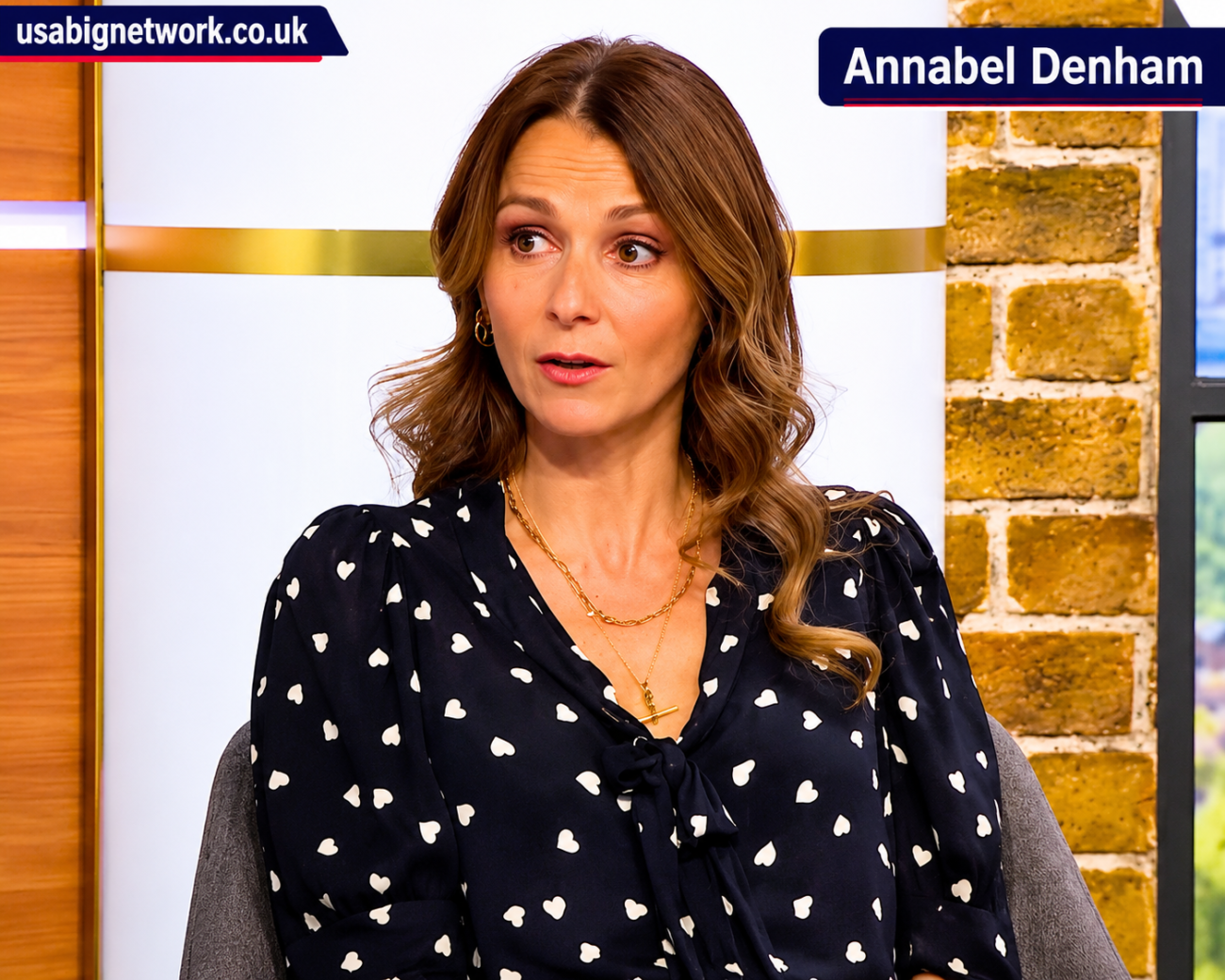
Annabel Denham has become one of the most recognizable voices in British journalism and public policy, particularly in discussions surrounding economics, taxation, entrepreneurship, and government regulation. Through her work as a columnist, editor, and commentator, she has built a reputation for presenting complex economic issues in a clear and accessible way. Annabel Denham Her articles frequently examine how public policy affects businesses, workers, and consumers, making her a respected figure among readers interested in politics, economics, and free-market ideas.
Over the years, Denham has contributed to some of the United Kingdom’s most respected publications while also working with influential think tanks that promote economic freedom and limited government intervention. Her ability to Annabel Denham explain financial and political developments without relying on technical language has helped broaden public understanding of subjects that are often viewed as difficult or inaccessible. As debates over taxation, inflation, public spending, and economic growth continue to dominate the national conversation, Annabel Denham remains an influential commentator whose opinions are widely read and discussed. This article explores her background, education, professional journey, economic philosophy, journalistic achievements, and the lasting impact she has made on British public discourse.
Who Is Annabel Denham?
Annabel Denham is a British journalist, editor, and public policy commentator known primarily for writing about economics, business, politics, and public affairs. Throughout her career, she has developed a strong reputation for advocating policies that encourage entrepreneurship, competitive markets, individual responsibility, and economic liberalism. Annabel Denham Rather than focusing on partisan political debates, much of her work examines how government decisions influence everyday people, businesses, and long-term economic prosperity.
Her writing often explores issues such as taxation, employment regulation, housing policy, inflation, government spending, productivity, and business investment. Readers appreciate her ability to combine factual reporting with thoughtful analysis while explaining complicated policy matters in straightforward language. Because of this balanced approach, Annabel Denham her articles appeal not only to economists and policymakers but also to general readers seeking practical explanations of current affairs.
Early Life and Educational Background
Although Annabel Denham maintains a relatively private personal life, her professional background demonstrates a longstanding interest in economics, politics, and public policy. Unlike many media personalities who frequently share personal details, Annabel Denham Denham has chosen to keep the focus on her work rather than her private life. Publicly available information about her early years is therefore limited, reflecting her preference for professional rather than personal recognition.
Her education helped establish the analytical skills that later became central to her journalism and policy work. Throughout her career, she has consistently demonstrated an ability to interpret economic data, understand government legislation, and evaluate Annabel Denham public policy from both business and consumer perspectives. These abilities have enabled her to communicate complex economic ideas clearly while maintaining factual accuracy and credibility.
Economic literacy has become increasingly important in modern journalism, particularly during periods of inflation, financial uncertainty, and political change. Annabel Denham Denham’s educational foundation has allowed her to write confidently about subjects ranging from fiscal policy to labour markets while ensuring that her work remains understandable for a broad audience.
Career Journey in Journalism and Public Policy
Annabel Denham began building her professional reputation through roles that combined journalism, communications, and economic policy research. One of the most significant stages of her career involved her work with the Institute of Economic Affairs (IEA), one of Britain’s best-known free-market think tanks. During her time there, she contributed to policy discussions, public engagement, and research communication focused on economic freedom, regulation, taxation, and entrepreneurship.
Working within a policy institute allowed Denham to gain firsthand experience of how research influences political debate. She regularly worked alongside economists, researchers, business leaders, and policymakers, helping translate academic findings into accessible commentary for the wider public. This experience strengthened her understanding of economic policy and enhanced her ability to explain complicated legislative proposals in practical terms.
Her growing reputation eventually led to broader opportunities in journalism. As her articles attracted increasing attention, she became known for producing thoughtful commentary on government policy, business regulation, labour markets, and economic reform. Rather than simply reporting political events, she sought to explain why policy decisions mattered and how they affected businesses, employees, investors, and consumers alike.
Work at The Telegraph and Growing Media Presence
Annabel Denham’s move into mainstream national journalism significantly expanded her public profile. Through her work with The Telegraph, she established herself as a respected columnist covering business, economics, politics, and public policy. Her articles frequently examine the economic consequences of government decisions, the challenges facing British businesses, and the changing relationship between the state and the private sector. Rather than focusing on political personalities, she tends to concentrate on how legislation and economic policy affect the lives of ordinary people and the long-term competitiveness of the United Kingdom.
One of the defining characteristics of Denham’s journalism is her ability to translate complicated economic issues into language that is accessible to readers without a specialist background. Topics such as inflation, public borrowing, tax reform, labour shortages, productivity, and regulatory policy are often presented with clear explanations and practical examples. This approach allows readers to understand not only what is happening but also why these developments matter for households, employers, entrepreneurs, and investors.
Her media presence extends beyond newspaper columns. Over the years, she has appeared on television, radio, podcasts, and panel discussions where she comments on current affairs and economic developments. These appearances have helped broaden her audience and establish her as a trusted commentator on public policy. Whether discussing the national budget, business confidence, or economic reform, she is recognised for presenting evidence-based arguments while encouraging informed public debate.
Economic Philosophy and Policy Views
A consistent theme throughout Annabel Denham’s career is her support for economic liberalism and policies that encourage enterprise, innovation, and competition. Her writing often argues that excessive regulation, high taxation, and unnecessary bureaucracy can discourage investment and reduce economic growth. She frequently highlights the importance of creating an environment in which businesses of all sizes can expand, employ more people, and contribute to national prosperity.
Denham has written extensively about the role of entrepreneurship in strengthening the British economy. She regularly discusses how small businesses and start-ups face challenges ranging from complex tax systems to regulatory burdens and rising operating costs. In her view, governments should focus on creating predictable and stable economic conditions that allow businesses to invest confidently while protecting consumers through proportionate rather than excessive regulation.
Another recurring subject in her work is fiscal responsibility. Denham often explores questions surrounding government spending, public debt, inflation, and taxation, encouraging policymakers to consider the long-term consequences of economic decisions rather than focusing solely on short-term political objectives. Her articles generally advocate policies designed to improve productivity, increase investment, and promote sustainable economic growth while maintaining responsible public finances.
Writing Style and Journalism Approach
Annabel Denham has earned recognition for a writing style that combines factual reporting with thoughtful analysis. Instead of relying on sensational headlines or emotionally charged arguments, she typically builds her articles around evidence, economic data, expert opinion, and practical examples. This measured approach has strengthened her credibility among readers who value balanced and well-researched commentary.
Her articles are notable for explaining complicated policy debates without overwhelming readers with technical terminology. Economic concepts such as inflationary pressure, fiscal policy, labour productivity, business investment, and market competition are presented in straightforward language that makes them accessible to a wide audience. This ability to communicate complex ideas clearly has become one of the defining strengths of her journalism.
Denham also demonstrates a willingness to examine multiple perspectives before reaching conclusions. Although her support for free-market principles is widely recognised, her commentary generally focuses on analysing evidence and evaluating policy outcomes rather than promoting partisan political arguments. This emphasis on careful reasoning has helped establish her reputation as a thoughtful commentator whose work contributes constructively to public discussion.
Public Influence and Contribution to Economic Debate
Annabel Denham has become an influential figure in Britain’s public policy conversation by consistently contributing informed commentary on issues that affect both the economy and society. Her work is regularly cited and discussed by readers interested in politics, business, and economic reform because she focuses on explaining the practical effects of policy decisions rather than simply reporting political events. Through newspaper columns, interviews, podcasts, and public discussions, she has encouraged greater understanding of topics such as taxation, regulation, entrepreneurship, inflation, productivity, and government spending.
One of Denham’s greatest strengths is her ability to connect national economic policy with everyday life. Rather than treating economics as an abstract academic subject, she explains how changes in taxes, employment laws, inflation, or public spending influence families, employers, employees, and consumers. This practical perspective has made her work valuable to readers seeking clear explanations of complicated developments affecting the United Kingdom’s economy.
Her influence also reflects a broader trend in modern journalism, where readers increasingly value evidence-based commentary that goes beyond headlines. Denham’s articles encourage thoughtful discussion by presenting facts, economic reasoning, and policy analysis in a balanced manner. Whether readers ultimately agree with her conclusions or not, her work contributes meaningfully to public debate by encouraging critical thinking and informed decision-making.
Legacy, Continuing Career, and Future Prospects
Although Annabel Denham’s career is still evolving, she has already established herself as one of the notable voices in contemporary British economic journalism. Her combination of journalistic experience, policy knowledge, and communication skills has enabled her to build credibility across media, think tanks, and public affairs. As governments continue to face challenges related to economic growth, inflation, housing, taxation, public debt, and technological change, commentators with strong analytical skills are likely to remain highly influential.
Looking ahead, Denham is expected to continue contributing to discussions surrounding economic policy, business regulation, fiscal reform, entrepreneurship, and the future direction of the British economy. The rapid pace of technological innovation, changes in global trade, artificial intelligence, energy policy, and labour market transformation will provide numerous opportunities for informed economic analysis. Given her established expertise, she is well positioned to remain an important contributor to these debates through journalism, media appearances, and public commentary.
Her career also demonstrates the growing importance of journalists who can bridge the gap between specialist economic research and public understanding. By presenting complicated subjects in clear, engaging language while maintaining factual accuracy, Denham has helped improve economic literacy among readers. Her professional approach serves as an example of how thoughtful journalism can support informed democratic debate and encourage greater public engagement with policy issues.
Conclusion
Annabel Denham has built a respected career through a combination of insightful journalism, economic knowledge, and clear communication. From her involvement with public policy organizations to her work as a national newspaper columnist, she has consistently focused on explaining how economic decisions influence businesses, workers, consumers, and the wider economy. Her commitment to evidence-based analysis and accessible writing has earned her recognition among readers seeking reliable commentary on some of the United Kingdom’s most important policy challenges.
Throughout her professional journey, Denham has remained closely associated with discussions surrounding economic freedom, entrepreneurship, taxation, regulation, productivity, and fiscal responsibility. Rather than relying on political rhetoric, she approaches these topics through careful examination of data, policy outcomes, and long-term economic implications. This emphasis on thoughtful analysis reflects the qualities that have made her an influential voice within British journalism.
As economic and political challenges continue to evolve, commentators who can explain complex issues with clarity and accuracy will remain essential. Annabel Denham’s work demonstrates how informed journalism can contribute to better public understanding, encourage constructive debate, and help readers make sense of an increasingly complex policy landscape. Whether writing about business reform, government spending, or economic growth, she continues to provide commentary that is relevant, accessible, and grounded in careful analysis, ensuring her place among the prominent economic journalists and public policy commentators in the United Kingdom.
