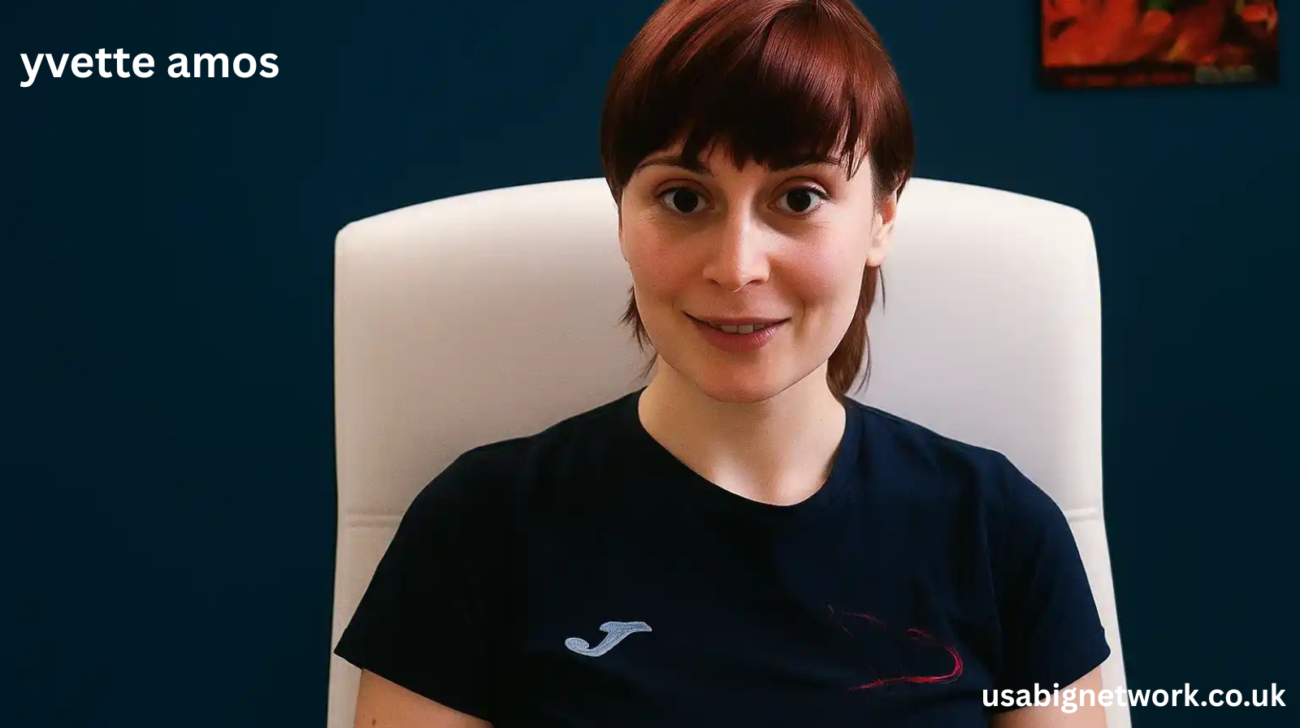
In January 2021, during one of the most challenging periods of the COVID-19 pandemic in the United Kingdom, Yvette Amos unexpectedly became a global internet sensation. She appeared on BBC Wales Today to discuss the economic impact of lockdown restrictions and the reality of unemployment affecting thousands of people across Wales and the wider UK. At the time, Britain was experiencing strict public health measures, widespread job losses, and growing anxiety about financial security. Amos agreed to share her personal experience as someone directly affected by these economic disruptions.
The interview was intended Yvette Amos to highlight serious social issues such as furlough schemes, hospitality sector closures, and the strain on young professionals navigating uncertain career paths. However, what turned the segmentYvette Amos into a viral internet moment was an unintended background detail visible during the remote broadcast from her home in Cardiff. Within hours, screenshots circulated widely across Twitter, Reddit, and global news outlets, transforming a straightforward interview into one of the most talked-about online moments of early 2021.
Who Is Yvette Amos? Background and Personal Life
Before her unexpected fame, Yvette Amos was largely unknown to the public. Based in Cardiff, Wales, she was described as an educated and articulate individual who had been balancing academic interests and part-time employment. Reports suggest she had ties to research environments and university circles, indicating involvement in intellectual or scholarly work prior to the pandemic’s disruptions. Like many young professionals in the UK, she was navigating contract work and employment uncertainty when COVID-19 struck.
Her life reflected the reality faced by many in Britain at the time. The pandemic led to severe restrictions in hospitality, tourism, and educational institutions. Individuals in research support roles, retail, and service industries experienced sudden job losses or reduced hours. Amos represented a demographic often discussed in economic reports: skilled, capable individuals whose employment was disrupted not due to performance, but due to global circumstances beyond their control.
Despite becoming widely recognized online, Amos did not position herself as a public figure. She maintained a private life, and very limited verified personal details have been shared publicly since the viral incident. This restraint has contributed to a narrative of dignity and discretion in contrast to the often chaotic nature of internet fame.
The BBC Wales Interview and the Unexpected Detail
The turning point in Yvette Amos’s public visibility occurred during her appearance on BBC Wales Today. The program sought to explore the economic toll of COVID-19 restrictions in Wales, including rising unemployment rates and the psychological effects of prolonged lockdown. Amos spoke candidly about losing work and the difficulties of securing new opportunities during a national crisis.
Because of social distancing rules, the interview was conducted remotely via video call from her home. During the broadcast, viewers noticed a personal item placed on a bookshelf behind her. The object, which was clearly visible to the camera, sparked immediate attention and humorous commentary online. The contrast between the serious subject matter and the unexpected background element created a moment that social media users found both surprising and relatable.
The clip quickly spread beyond Wales, appearing on international platforms and news sites. Within hours, “Yvette Amos” became a trending search term. The incident underscored how easily remote interviews can shift focus when audiences notice something visually striking, especially during an era when millions were working and communicating from their homes.
Social Media Reaction and Global Attention
The reaction to Yvette Amos’s interview demonstrated the power of digital culture in amplifying everyday moments. Twitter users shared screenshots with playful captions, while Reddit threads analyzed the viral clip in detail. Memes began circulating internationally, and even major media outlets covered the story, framing it as a light-hearted pandemic anecdote.
What is particularly noteworthy is that much of the public response was not malicious. Instead, it leaned toward humor and relatability. The pandemic had forced professionals, journalists, and students alike into remote environments where private spaces became public backdrops. Countless individuals experienced similar video call mishaps, whether through accidental camera angles, family interruptions, or overlooked household items.
This shared experience contributed to a sense of collective empathy. Rather than condemning Amos, many commentators expressed support and admiration for her composure during the live interview. The incident became a symbol of the imperfect realities of remote communication, highlighting how authenticity can resonate more strongly than polished presentation.
Remote Work Culture and Media Etiquette Lessons
Yvette Amos’s viral moment occurred during a historic shift in work culture. In early 2021, remote work had become the norm for millions in the UK and globally. Television networks, universities, and corporate offices relied heavily on Zoom, Skype, and other video conferencing platforms. As a result, homes became temporary studios and offices.
The incident sparked discussions about digital professionalism and remote interview etiquette. Media experts and career coaches began advising individuals to carefully review their backgrounds before appearing on camera. Articles circulated offering tips on virtual presentation, lighting, camera positioning, and privacy considerations. The Amos interview became a reference point in these conversations.
At the same time, the event also challenged rigid expectations of perfection. It revealed that audiences are often forgiving and even appreciative of genuine human moments. In a time marked by stress and uncertainty, humor provided relief. The lesson was twofold: preparation matters, but so does recognizing that mistakes or oversights do not define a person’s credibility or worth.
The Human Side of Sudden Internet Fame
Going viral can be overwhelming, especially for someone who did not seek public attention. Internet fame often arrives without warning and can bring both positive and negative consequences. In the case of Yvette Amos, reports indicate that she handled the attention with composure and restraint. She did not aggressively pursue media opportunities or attempt to transform the moment into influencer status.
This reaction stands in contrast to many viral personalities who leverage online attention into commercial ventures. Amos appeared to prioritize her personal privacy and professional stability over capitalizing on fleeting fame. Her choice resonated with observers who viewed it as grounded and authentic.
The experience also raises broader questions about consent and digital exposure. When someone appears on television to discuss a serious issue, they may not anticipate becoming the subject of global memes. Amos’s story reminds us that behind every viral clip is a real person navigating unexpected scrutiny.
Media Coverage and Public Narrative
Following the viral broadcast, numerous online publications covered the story. Headlines often emphasized the humorous background detail while also recounting the serious topic she had been addressing. This dual narrative created tension between entertainment value and social commentary.
Some journalists used the moment to revisit the broader issue of yvette amos unemployment during COVID-19, drawing attention back to the economic challenges Amos had originally discussed. Others focused purely on the viral nature of the clip. This divergence illustrates how media framing can shape public perception.
Over time, the story settled into internet lore as one of the lighter yvette amosmoments during an otherwise heavy period in global history. Yet it also serves as a case study in how quickly narratives can shift in the digital era, and how public attention can move away from substantive issues toward visual distractions.
Life After the Viral Moment
Since her brief surge in online visibility, Yvette Amos has largely remained out of the public spotlight. There is no substantial evidence that she pursued television careers, public speaking tours, or social media influencer paths. Instead, she appears to have returned to a private life focused on work and personal development.
This choice reinforces the idea that viral fame is not always desirable or sustainable. For many individuals, maintaining privacy and normalcy outweighs the benefits of attention. Amos’s story highlights the resilience required to move forward after becoming an internet talking point.
Her experience also demonstrates that digital moments, while powerful, are often temporary. Search interest peaks quickly and then declines as new stories emerge. However, the cultural memory of certain viral events endures, especially when they encapsulate broader societal shifts.
Cultural Legacy and Broader Significance
Yvette Amos’s viral interview remains emblematic of pandemic-era media culture. It represents a time when professional and personal boundaries blurred, and when millions were adjusting to unprecedented living conditions. The incident symbolizes both the vulnerability and humor inherent in remote communication.
Beyond the memes, her story underscores themes of authenticity, resilience, and empathy. She appeared on television to discuss real economic hardship, a topic affecting countless households. The unexpected background detail did not diminish the seriousness of her message, even if it temporarily overshadowed it online.
In a broader sense, the Yvette Amos moment illustrates how digital culture can transform ordinary individuals into global subjects of discussion overnight. It encourages reflection on how audiences consume content, how media narratives evolve, and how humanity persists even in unexpected viral fame.
Read More :Early Life and Background of Kelley South Russell
